
Durham Window Replacement knows that most homes in the Triangle were built between the 1970s and early 2000s. Single pane windows from that era lose heat at roughly 10 times the rate of an insulated wall.
Even older double pane windows with aluminum frames and no low-e coating perform far below what’s available today.
Replacing them is one of the few home upgrades that reduces monthly costs, improves comfort, and adds resale value at the same time.
The performance of a window comes down to four measurable factors. The ENERGY STAR program, administered by the EPA, sets specific thresholds for each climate zone.
North Carolina falls in the “South-Central” zone, which has its own targets reflecting the mix of hot summers and mild but real winters.
| Rating | What It Measures | ENERGY STAR Target (South-Central) |
|---|---|---|
| U-Factor | Heat loss through the window | ≤ 0.30 |
| SHGC | How much solar heat passes through the glass | ≤ 0.25 |
| Visible Transmittance (VT) | How much natural light comes through | No minimum required |
| Air Leakage (AL) | Drafts through the window frame and seals | ≤ 0.30 cfm/sq ft |
The low Solar Heat Gain Coefficient target for this region matters because cooling costs are a bigger issue here than in northern climates. A window with a low SHGC lets in light while blocking a significant portion of infrared heat. On a July afternoon, that’s the difference between an AC unit running constantly and one that cycles normally.
Frame material and glass configuration both affect performance. Here’s a practical comparison:
The flashing and air sealing steps are where shortcuts get taken. They’re invisible once the trim goes back on, which is exactly why sloppy installers skip them. Ask your installer specifically how they handle the sill pan and what flashing material they use.
The Piedmont Triad and Triangle region averages around 3,900 cooling degree days per year, according to NOAA data, compared to roughly 3,500 heating degree days. That’s a fairly balanced split, which means a well-chosen window has to perform in both directions.
Low-e coatings are the most important upgrade for this mix. The coating is a microscopically thin metallic layer applied to the glass surface that reflects radiant heat. In summer, it reflects outdoor heat back outside. In winter, it reflects indoor heat back in.
The coating doesn’t noticeably reduce visible light, but it does change the color temperature of sunlight slightly.
Argon gas fill between the panes adds additional insulation by replacing regular air, which conducts heat, with a denser, slower-moving gas. Krypton gas is also used in some products and performs better in thinner spaces, though it costs more.
The Inflation Reduction Act of 2022 extended and expanded the Energy Efficient Home Improvement Credit (25C). For windows purchased and installed between 2023 and 2032, homeowners can claim:
Duke Energy also periodically offers rebates for qualifying energy efficiency upgrades, including windows, through their Home Energy Improvement Program. Availability and amounts change year to year, so it’s worth checking directly with Duke Energy before scheduling a project.
The Department of Energy estimates that replacing single-pane windows with ENERGY STAR-certified windows saves between $125 and $465 per year on energy bills, depending on home size and existing window count. For a mid-size home with 15 to 20 windows, the middle of that range is a reasonable expectation.
Payback periods typically run 7 to 15 years for the energy savings alone, which is why resale value matters as a separate factor. Remodeling Magazine’s Cost vs. Value report consistently shows window replacement recouping 65% to 75% of project cost in resale value in the South Atlantic region.
Combined with energy savings, the math is more favorable than the raw payback period suggests.
Condensation on the inside surface of the glass during cold weather is normal and not a sign of failure. Condensation between the panes is different and means the insulating seal has broken down.
For most homes in this area, a double-pane vinyl window with low-e coating, argon fill, and warm-edge spacers covers the bases without overpaying for performance gains that won’t show up meaningfully in this climate. Brands like Andersen, Pella, and Marvin all offer qualifying products at various price points.
The installation matters as much as the product: a high-performance window installed with gaps or improper flashing will underperform a basic one installed correctly.
We offer free in-home estimates and can walk through your current windows, measure actual heat loss with an infrared camera, and recommend products that meet ENERGY STAR criteria for this region. Call us at +1 (984) 350-7836 or use the form on this page to get started.
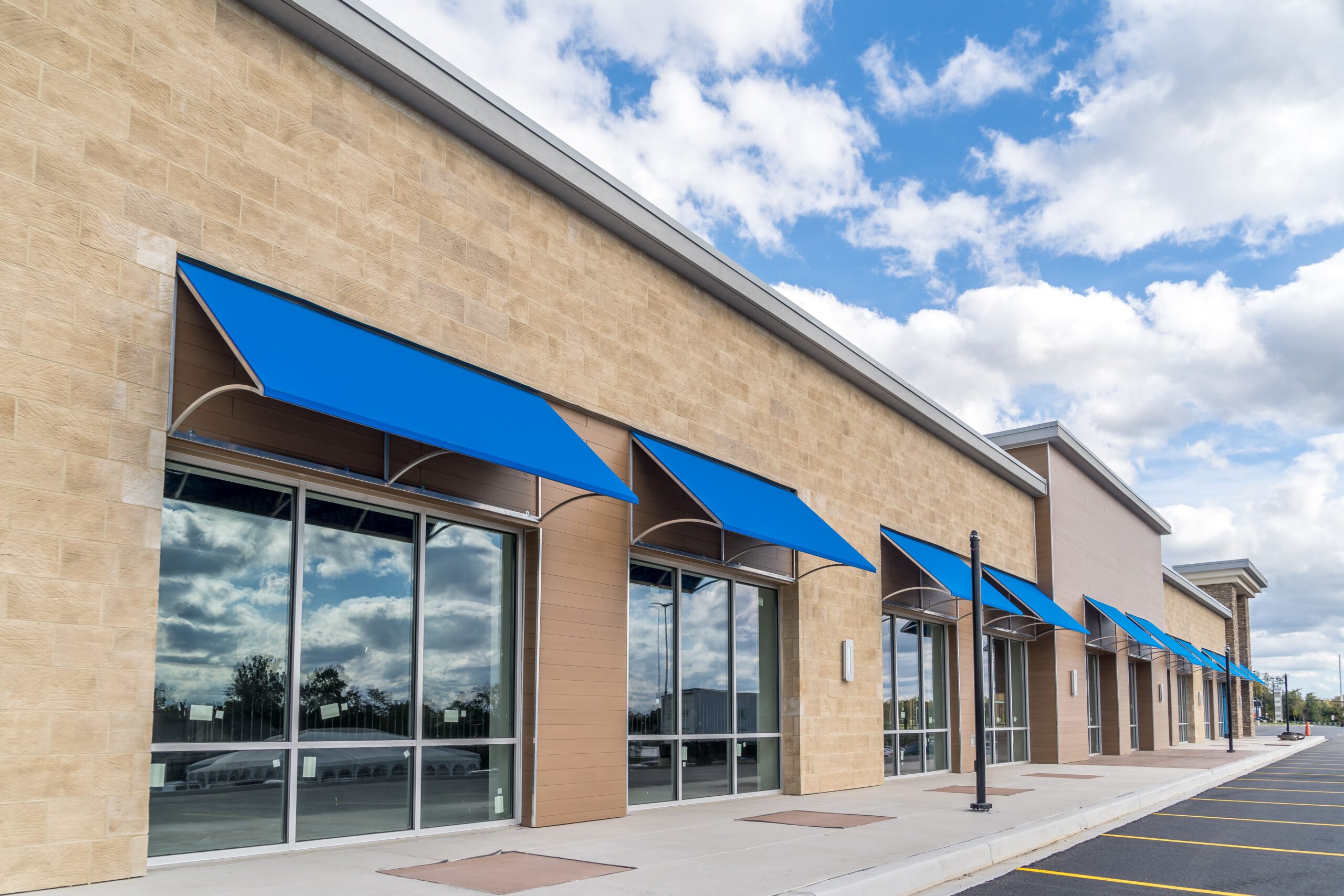
If you’re not sure whether your project needs custom work, a site visit is the fastest way to find out. We’ll measure, assess the openings, and tell you straight whether standard product will work or whether fabrication is the better path.
Call us at (984) 350-7836 or use the form on our site to request a free in-home estimate.